Plantar Fasciitis
You wake up, swing your feet out of bed, take that first step and… HOLY HELL! It feels like someone’s stabbing your heel with an ice pick. Sound familiar?
Welcome to the club nobody wants to join: plantar fasciitis sufferers.
What the hell is this thing?
Okay, let’s break this down. Your plantar fascia is basically a thick band of tissue that runs along the bottom of your foot from your heel to your toes. Think of it like the string on a bow. It supports your arch and absorbs shock when you walk.
When that tissue gets irritated, inflamed, or develops micro-tears from overuse or bad mechanics, boom: plantar fasciitis. The name literally just means “inflammation of the plantar fascia.” Not very creative, but it gets the point across.
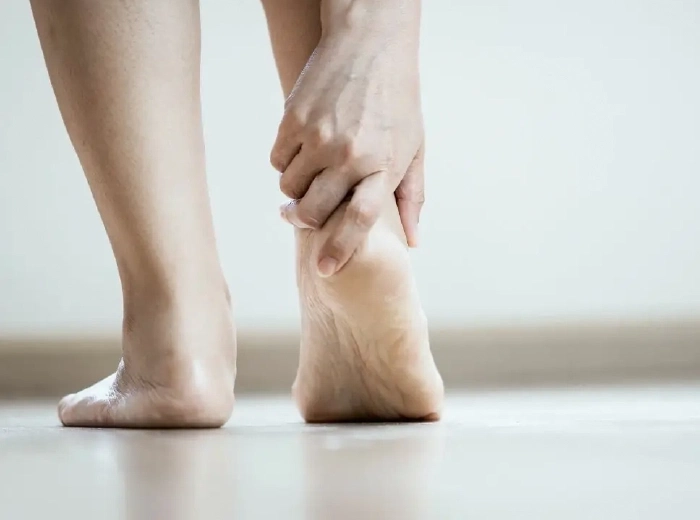
The classic symptom? That brutal heel pain when you first get up in the morning or after sitting for a while. It’s like your foot forgot how to foot while you were resting, and it’s pissed off about having to work again.
Here’s the kicker though: most of us have been told it’s just inflammation. Pop some ibuprofen, ice it, rest, and you’ll be fine. Except… that doesn’t work for most people. Why? Because plantar fasciitis isn’t just inflammation. It’s often chronic degeneration of the tissue. Huge difference.
Why your heel hates you
Plantar fasciitis doesn’t just appear out of nowhere. It’s usually the result of your lifestyle choices and habits ganging up on your poor feet. Let’s call out the usual suspects:
Crappy Shoes
Too Much Too Soon
Bad Mechanics
Standing All Day
Extra Weight
Getting Older
Myths that keep you stuck
There’s a ton of misinformation out there about plantar fasciitis. Let’s clear the air:
- “Rest is the answer”, Wrong! Complete rest weakens your foot even more. You need strategic movement and gradual loading, not bed rest. Your foot needs rehab, not retirement
- “You need more arch support”, Nope. More support = weaker feet. You’re putting a cast on something that needs to get stronger. Support can help short-term, but it’s not the solution
- “It’s just inflammation, take ibuprofen”, Partially wrong. Chronic plantar fasciitis is degenerative, not inflammatory. Pills mask symptoms but don’t fix the root cause. You’re silencing the alarm without putting out the fire
- “Orthotics will cure it”, Maybe temporarily. But they don’t address why it happened in the first place. It’s like using a crutch forever instead of healing the injury. Band-aid, not cure
- “You’ll need surgery eventually”, Rarely true. Like 95% of cases improve with conservative treatment. Surgery is a last resort when everything else fails, and even then it’s controversial
- “Stretching the fascia helps”, Kinda. But strengthening exercises are way more effective long-term. Stretching feels good but doesn’t build resilience. You need both, but strength wins
How to actually fix this
Alright, enough with what doesn’t work. Let’s talk about what actually helps heal plantar fasciitis for good:
1. Eccentric Strengthening
This is the gold standard. Eccentric exercises (where the muscle lengthens under tension) have been shown to help regenerate damaged tissue. The classic one is heel drops off a step, slow, controlled, and progressively loaded.
It’s not sexy, it’s not quick, but it works. You’re basically doing physical therapy for your foot’s internal structure. Rebuilding the tissue stronger than it was before.
2. Ditch the Crazy Cushioning
Gradually transition to shoes with less cushioning and more ground feel. Let your foot muscles wake up and do their job. Start slow, we’re not throwing you into barefoot running tomorrow.
Your feet have over 100 muscles, tendons, and ligaments. They’re DESIGNED to work. Excessive cushioning is like being in a wheelchair when you can walk, eventually you forget how.
3. Toe Separation and Spreading
When your toes can spread and move independently, your arch functions better and pressure distributes more evenly. Less stress on the plantar fascia = happier heel.
Walk barefoot around your house, on grass when you can, and on pebbles when you’re feeling brave. It’s passive therapy, your feet get stronger while you live your life. Even standing on a patch of gravel for a few minutes while binge-watching Netflix counts.
4. Calf and Achilles Work
Your calf muscles and Achilles tendon are directly connected to how much stress your plantar fascia experiences. Tight calves = more strain on the fascia. Loosen them up and strengthen them.
Foam rolling, stretching, and eccentric calf raises are your friends here. The ankle and foot are a connected system, you can’t ignore half of it.
5. Go Barefoot (Smart Barefoot)
Walking barefoot on varied surfaces strengthens all those little foot muscles that have been on vacation. Start with soft surfaces like grass, then gradually progress.
Your nervous system gets a wake-up call too. Better proprioception (knowing where your foot is in space) means better movement, which means less injury. It’s like upgrading your foot’s operating system.
6. Address the Load
If you’re carrying extra weight, losing some pounds helps. If you’re standing all day, take breaks. If you ramped up activity too fast, dial it back for a bit. You can’t out-exercise bad loading patterns.
Think of your plantar fascia as having a daily tolerance limit. Keep exceeding it and you’ll stay injured. Respect the limit while you build capacity.
Exercises you should do
These exercises go after the root causes and help rebuild your foot’s strength and resilience:
- Heel Drops (Eccentric): Stand on a step with your heels hanging off. Rise up on your toes, then slowly lower down past the step level. 3 sets of 15 reps, twice daily. This is THE exercise for plantar fasciitis recovery
- Toe Yoga: Try to lift just your big toe while keeping the others down, then reverse it. Sounds easy, your brain will melt. Builds serious foot control and arch strength
- Marble Pickups: Scatter marbles and pick them up with your toes. Great for intrinsic foot muscle strength. Bonus: you can do it while binge-watching your favorite show
- Calf Stretches: Wall stretch for 30 seconds, both straight leg and bent knee. Do it multiple times daily. Tight calves are often the hidden villain in heel pain
- Foot Doming: Try to shorten your foot by engaging your arch muscles without curling your toes. Imagine pulling the ball of your foot toward your heel. Wakes up sleepy arch muscles
- Towel Scrunches: Put a towel on the floor and scrunch it toward you using only your toes. Simple but brutally effective for building foot strength
- Balance Work: Stand on one foot while brushing your teeth. Progress to a wobble board. Better balance = better foot control = less compensation patterns
Morning game plan
That first step in the morning doesn’t have to be torture. Here’s a routine to ease into your day:
Before getting out of bed:
- Flex and point your toes 20 times
- Spell the alphabet with your foot (both feet)
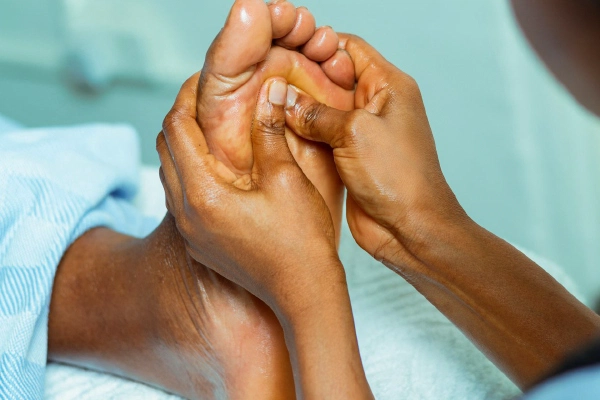
- Massage your arch and heel with your thumb
Before standing:
- Roll your foot on a tennis ball or frozen water bottle for 2 minutes
- Do some gentle calf stretches while sitting on the edge of the bed
First steps:
- Step onto a soft rug or mat, not hard floor
- Take small, slow steps initially
- Let your foot warm up before demanding full performance
Think of it like warming up a car engine on a cold morning. You don’t just slam the gas and go, you let things get moving gradually.
Plantar Fasciitis FAQs
Your path forward
Look, plantar fasciitis sucks. There’s no sugarcoating it. That morning pain is brutal and it can really mess with your whole vibe. But here’s the good news: it’s almost always fixable without surgery.
The catch? You have to put in the work. There’s no magic pill or quick fix. But if you commit to strengthening your feet, improving your mechanics, and making smarter choices about footwear and activity, you WILL get better.
Start small. Pick one or two exercises from this article and do them daily. Gradually add more. Be patient with the process. Celebrate the small wins, that first morning without the stabbing pain, the day you can walk barefoot without limping, that random moment when you realize you haven’t even thought about your heel all day.
Your feet carried you everywhere before this happened. With the right approach, they’ll do it again. Time to show them some love and help them heal.